Crea la scaletta con ChatGPT, poi umanizza la bozza
ChatGPT è utile per le scalette dei saggi, le controargomentazioni e l'individuazione delle lacune. Aggiungi le tue fonti e la tesi, poi rifinisci la lingua.
Usa il Generatore di citazioni di TurnitPass insieme all'Umanizzatore IA, così la bozza è formattata e non suona più generica.
Parti dalla tua scaletta
L'IA può accelerare la scaletta, la presa di appunti e una prima revisione linguistica. Tesi, fonti e analisi restano comunque tue, ed è questo che rende il lavoro degno di essere consegnato.
Molte università oggi effettuano controlli IA prima della valutazione. Parti da una scaletta solida, aggiungi la tua analisi, poi usa TurnitPass per rifinire la lingua, formattare le citazioni o controllare i segnali di scrittura IA.
Usa TurnitPass per rifinire la prosa, poi confronta il risultato con le tue affermazioni originali prima di consegnare.
Preservare la voce individuale e l'identità dell'autore
Le bozze generate dall'IA presentano spesso lunghezze di frase molto uniformi, un lessico clinico e l'assenza totale di stile individuale o di variazione retorica. Quando il saggio si basa su riassunti generici invece che su argomentazioni concrete, perde forza accademica. La tua prospettiva, plasmata dalle letture del corso, dalle esperienze personali e dai risultati della tua ricerca, è ciò che rende il lavoro prezioso.
Per far risaltare il saggio, inserisci discussioni specifiche del corso, una tesi personale ed elementi di prova unici che un prompt generico non può produrre. Sostituisci le affermazioni ampie con tesi strette e mirate. Per esempio, invece di affermare che la tecnologia ha trasformato la società, descrivi come una specifica politica normativa ha inciso su una particolare comunità. L'Umanizzatore IA di TurnitPass pulisce il flusso delle frasi mantenendo visibili affermazioni, citazioni ed esempi.
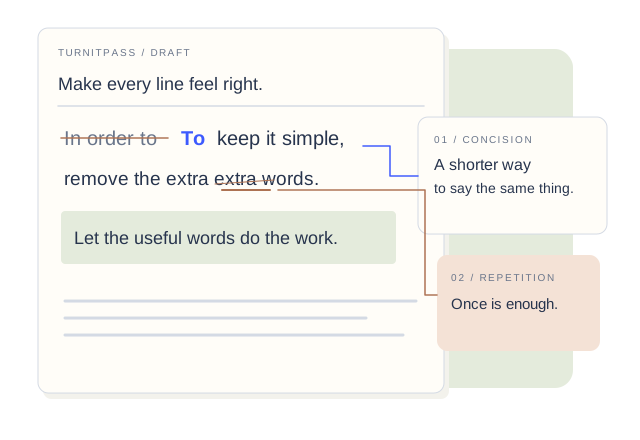
Una voce personale forte si riconosce anche dalla sintassi. Chi scrive alterna naturalmente osservazioni brevi e incisive a affermazioni più lunghe ed esplicative. I modelli IA, invece, scrivono con un ritmo uniforme. Variare manualmente la lunghezza delle frasi e la struttura dei paragrafi è il modo più affidabile per ottenere una cadenza naturale che i lettori apprezzano.
Anche la voce attiva e i connettivi variati aiutano a definire l'identità dell'autore. Le strutture passive e i connettivi ripetuti tendono a sembrare tipici dell'IA. Riscrivere queste frasi da solo migliora la leggibilità, anche quando in seguito usi uno strumento per un secondo passaggio.
Una checklist accademica per verificare le fonti
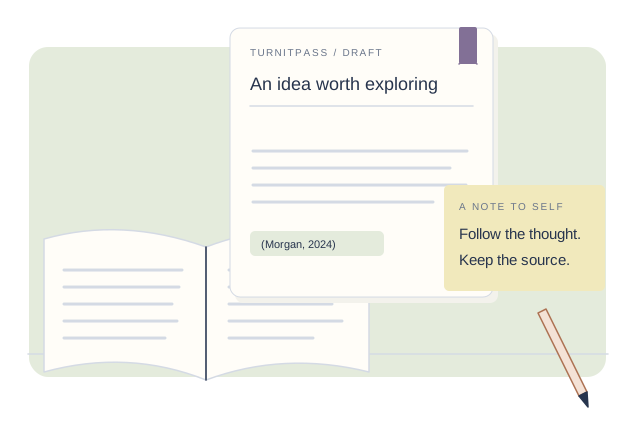
L'output generativo grezzo spesso inventa titoli di riviste, numeri di pagina e nomi di autori che sembrano reali. Controlla ogni riferimento su Google Scholar o PubMed, poi formatta la bibliografia.
Il Generatore di citazioni di TurnitPass formatta fonti con DOI, URL o inserimento manuale in APA, MLA, Chicago, IEEE, Harvard, GB/T 7714 e altri ancora.
Usa il Generatore di citazioni e la Bibliografia insieme all'Umanizzatore IA, così i riferimenti restano formattati mentre rifinisci la prosa. Per le bozze in inglese, aggiungi i termini che vuoi lasciare invariati.
- Ricontrolla tutte le citazioni dirette e i riassunti parafrasati rispetto ai documenti originali.
- Formatta le citazioni in APA, MLA, Chicago, IEEE, Harvard, GB/T 7714 e negli altri stili supportati con il Generatore di citazioni.
- Verifica che la prova citata sostenga direttamente l'affermazione accademica del paragrafo.
Conserva scalette e appunti
Conserva scalette, appunti sulle fonti, bibliografie annotate e bozze precedenti insieme alla versione rifinita.
TurnitPass salva riscritture, rilevamenti e citazioni nella cronologia, così puoi riaprire una bozza e continuare a lavorare.
Rifinire la bozza finale per la consegna
La fase finale deve concentrarsi su stile e leggibilità. Una volta solide le argomentazioni e verificate le fonti, dedica un passaggio alla varietà delle frasi e al flusso. Controlla che i connettivi siano logici e che la tua voce resti coerente.
Scegli lo strumento giusto per il compito: Umanizzatore IA con Naturale o Approfondita e una piattaforma di destinazione, Riscrittore IA per i passaggi accademici, oppure Rilevatore IA e Controllo saggi IA per verificare i segnali prima di consegnare.
Concludi con ortografia, grammatica e punteggiatura, poi copia o scarica il risultato.