Taslağı kendi ritminize uydurun
Yapay zekanın sizin gibi yazmasını nasıl sağlarsınız: örneklerinizden başlayın, tercih ettiğiniz cümle uzunluğunu koruyun ve genel iddiaların yerine yalnızca sizin ekleyebileceğiniz ayrıntıları koyun.
TurnitPass Yapay zeka metni insanlaştırıcı makine ritmini yeniden yazar; ardından sonucu sesinize benzeyene kadar düzenleyebilirsiniz.
Doğal ifadenin anatomisi
Doğal yazı, yazarın okuruyla bağ kurmak için yaptığı incelikli ve bilinçli tercihlerle tanımlanır. Çeşitli cümle uzunlukları, organik geçişler ve yazarın kişiliğini yansıtan bireysel bir üslupla karakterize edilir. Genel yapay zeka taslakları ise tersine, satır satır aynı ritmi izleyerek klinik ve tek tip, bazen de uzak duran bir üslup ortaya koyar.
Bir makale tekrarlayan cümle kalıplarına ve öngörülebilir bağlantı ifadelerine dayandığında, okurlar hızla ilgisini kaybeder. İnsanlaştırmanın amacı bu tek tip ritimleri kırmak, metne karakter ve açıklık kazandırmaktır. Stilistik çeşitlilik ve yapısal değişikliklerle düz taslakları ilgi çekici, okunabilir makalelere dönüştürebilirsiniz.
TurnitPass Yapay zeka metni insanlaştırıcı, temel iddiaları, isimleri ve atıfları koruyarak ritmi ve geçişleri yeniden düzenler.
Ek olarak, doğal yazı yazarın özgün sesini yansıtır. İlk elden örnekler, özgün gözlemler ve makinenin yeniden üretemeyeceği dinamik üslup kararları içerir.
Yüzeysel eş anlamlı değiştirmenin ötesinde
Birçok temel düzenleme aracı, yapay zeka metnini bir eş anlamlılar sözlüğündeki olağandışı kelimelerle değiştirerek gizlemeye çalışır. Bu yüzeysel yaklaşım oldukça sorunludur; çünkü dilbilgisi hatalarına yol açar, yazarın niyetini değiştirir ve metni okunması zor hale getirir. Hem modern dedektörler hem de insan okurlar bu mekanik yeniden ifadeyi kolayca fark edebilir.
Buna karşılık, gelişmiş insanlaştırma yapısal düzeyde çalışır. Cümle uzunluğu dağılımlarını yeniden düzenler, paragraf geçişlerini yeniden örgütler ve karmaşık yan cümleleri sadeleştirirken teknik terimleri, isimleri ve atıfları yerinde sabit tutar. Böylece anlatım güncellenirken temel gerçekler ve argümanlar tamamen doğru kalır.
Eş anlamlı kelimelerle karıştırmaktan kaçınan gelişmiş insanlaştırma, yazınızın entelektüel değerini korur. Amaç, alışılmadık eş anlamlılardan oluşan bir yığın değil, daha açık bir akıştır.
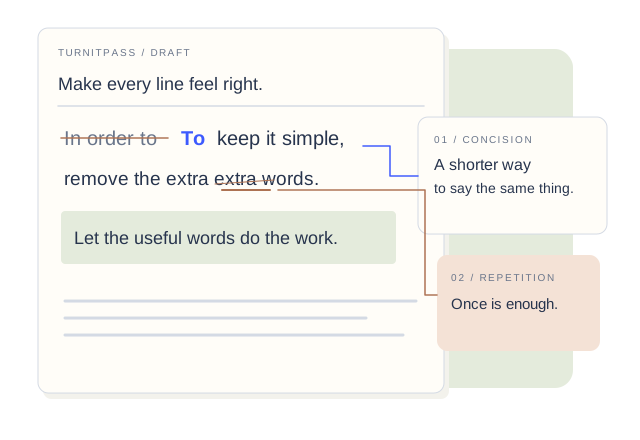
İnsanlaştırmadan sonra belirli değişiklikleri yan yana inceleyin. Vurgulanmış eklemeler ve silmeler bir satırı düzenlemeyi, ardından sonucu kopyalamayı, indirmeyi ya da kaydetmeyi kolaylaştırır.
Düzenleme çıktısının kalitesini değerlendirme ölçütü
Bir yeniden yazımın kalitesini değerlendirmek, hem okunabilirliğini hem de yapısal bütünlüğünü kontrol etmeyi gerektirir. Yüksek kaliteli bir yeniden yazım, doğal geçişler ve uygun terminoloji kullanarak alanında uzman biri tarafından yazılmış gibi okunmalıdır.
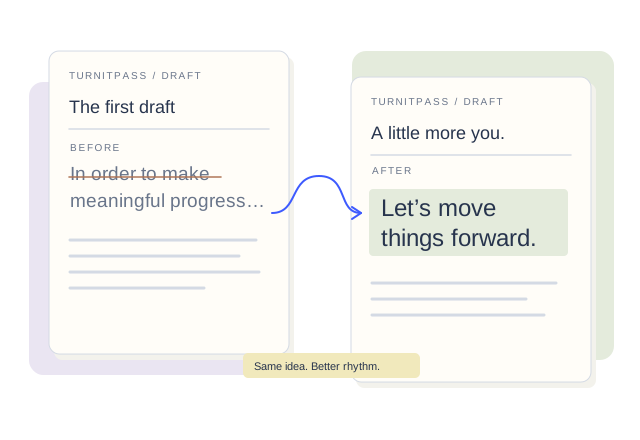
Basit bir ölçüt yine de işe yarar: cümle çeşitliliği, mantıklı geçişler ve değişmeyen gerçekler. TurnitPass, orijinali ve yeniden yazımı yan yana göstererek bu incelemeyi destekler.
Üç pratik soru sorun: Metin akıcı okunuyor mu, her araştırma iddiası korunmuş mu ve dilbilgisi hâlâ temiz mi? Bir satır düzeltme gerektiriyorsa, onu yerinde düzenleyin.
Bu ölçütü kullanmak, tüm yazı projelerinizde tutarlılık ve kalite sağlar. Revizyonlarınızı yüksek bir standarda taşıyarak; arama algoritmalarını karşılayan, okul ya da müşteri incelemesine dayanan ve okurlarınızı ilgisini çeken makaleler üretebilirsiniz.
- Adların, atıfların ve belirli iddiaların doğru kaldığını kontrol edin.
- Cümle uzunluklarının paragraflar arasında doğal biçimde değiştiğini doğrulayın.
- Geçişlerin tekrarlayan bağlaç kelimeleri olmadan akıcı ilerlediğini onaylayın.
Yapay zeka insanlaştırıcıyı yazma iş akışına yerleştirin
Yapay zeka insanlaştırıcı, incelemeniz için güçlü bir ikinci taslak sunar. Doğal ya da Derin modu seçin, hazırlandığınız platformu belirleyin, ardından her değişikliği inceleyip kendi sesinizi koruyan satırları tutun.
Aracın cümle ritmini nasıl yeniden düzenlediğini ve karmaşık yapıları nasıl sadeleştirdiğini izleyin; ardından aynı sezgileri bir sonraki taslağınızda uygulayın.
Gerçek ve yapısal doğruluğu koruma
Gerçek doğruluk önceliklidir. Güzel okunan ama yanlış bir istatistik ya da kırık bir atıf içeren taslak, güvenilirliğinize mal olur.
Yeniden yazmadan önce metrikleri, alıntıları ve referansları sabitleyin. İngilizce taslaklar için, korunacak isim ya da terimleri ekleyin. Düzenlemeden sonra, her veri noktası ve atıf yapılan yazarın orijinalle hâlâ eşleştiğini doğrulamak için karşılaştırma görünümünü kullanın.
Ek olarak, argümanınızın yapısal bütünlüğünü kontrol edin. Yeniden yazım, paragraflarınızın mantıksal ilerleyişini değiştirmemeli ya da tezinizi destekleyen temel kanıtları dışarıda bırakmamalıdır. Yüksek kaliteli bir düzenleme, argümanı bozmadan üslubu iyileştirir.
Üslup ve doğruluk birlikte gider. TurnitPass içindeki yapılandırılmış bir revizyon iş akışı; iyi okunan ve her gerçeği yerinde tutan belgeler üretir.