不只看分數,更清楚從何改起
整體分數掌握文本表現,段落提示定位 AI 痕跡,讓修改更有針對性。
TURNITPASS / 工具
掃描學生文稿中的 AI 寫作特徵,定位高風險段落,便於課堂審閱與溝通。
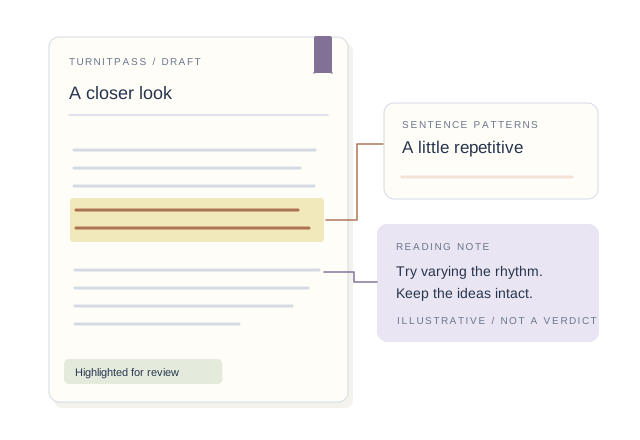
點選處理按鈕即可開始。
登入後每天免費檢測 3 次,不消耗寫作額度。
為什麼選擇 TurnitPass
教師檢測面向作業複核與教學回饋。結合段落信號、學生草稿、參考來源與寫作說明,整理需要討論的問題,為學生保留解釋與修改的空間。
整體分數掌握文本表現,段落提示定位 AI 痕跡,讓修改更有針對性。
依內容選擇通用或學術模式,結合語言與用途理解結果。
從檢測結果出發,繼續進行擬人改寫與潤飾,集中處理機械句型與重複表達。
看一個具體例子
只看分數:「這個百分比偏高,所以整篇都需要重寫。」
結合上下文:「先檢查被標記的段落,再核對寫作過程與表達是否重複。」
解讀方法範例,非真實檢測報告。檢測信號不能單獨作為作者身分或學術不端的證明。
為下一篇作品,準備更多額度
升級取得更多檢測與改寫額度,支援提交前的多輪檢查。先定位 AI 痕跡,再擬人改寫,最後檢測修改後的文本。
從草稿到可用結果
貼上文字或匯入文件,確認擷取後的文字與原稿一致。
選擇通用或學術模式及處理語言,再開始檢測。
檢視整體分數與段落提示,結合上下文判斷;需要時複製或儲存報告。
放進你的日常流程
檢視論文、報告或作業中值得複核的段落,妥善安排修改順序。
結合原文檢查重複句型與模板表達,準備具體的編輯建議。
把檢測提示用於討論寫作過程,結合草稿記錄與作者說明進行綜合判斷。
開始之前,你可能想知道
檢視整體 AI 寫作信號與段落提示,快速確定修改重點。隨後可以使用擬人改寫與潤飾工具,繼續改善文本表達。
兩者皆可。提供通用與學術模式,可依內容類型選擇,並支援中英文處理。
分數反映文本中的 AI 寫作特徵,結合被提示的段落閱讀最有參考價值。語言、篇幅與文體皆會影響結果,分數本身不能證明作者身分。
正在打開歷史記錄…
指南
掃描學生文稿中的 AI 寫作特徵,定位高風險段落,便於課堂審閱與溝通。
步驟 1
匯入文稿
步驟 2
查看高風險段落
步驟 3
繼續整理表達
指南
段落級檢測報告
適配課堂作業類型
與改寫流程銜接
01
不只給出一個總分。系統會標出高風險段落與寫作特徵,便於快速進入審閱。
02
適用於課後論文、研究報告、短答與開卷考試等常見作業,按全文掃描並查看集中出現的特徵。
03
發現表達生硬或特徵顯著的段落,可轉入擬人改寫,繼續整理語言。
What we check
教師版不僅面向常規論文,還綜合考量文本篇幅、作業形式與學生歷史寫作習慣,提供理性的判斷維度。
掃描全文並重點檢視集中標出的段落,而非僅依據單一綜合百分比下結論。
結合學術規範理解文風,因嚴謹的學術行文自然具備更高的結構可預測性。
短文本容易產生波動訊號,宜結合學生課堂日常表達與寫作基準綜合比對。
在評分前將檢測分作為複核參考,針對特徵密集的部分進行提問交流。
教師審閱流程
當報告明確呈現 AI 特徵在何處集中分布時,審閱與回饋溝通將更加高效有序。
當學校 LMS 系統給出的評分過於模糊時,借助 TurnitPass 進行逐句與段落級的深度複核。
將提交草稿的句子節奏、詞彙跨度與邏輯結構,與課堂隨堂寫作或早期作業進行對照。
以標出的段落為線索,與學生圍繞寫作思路與論據推導展開實質性交流。
Review path
交叉比對檢測結果
將高風險段落與作業其他部分進行對比,必要時結合多種輔助工具綜合研判。
重點審閱標記段落
優先關注引言、文獻總結和結尾中成塊出現的特徵,而非零散孤立的個別短句。
開展面對面溝通
以標記段落為切入點,請學生闡述材料來源、段落構思與核心論點。
審閱建議
從詳細報告起步,重點審閱高風險段落,進而推進針對性評語或修改指導。
將高風險段落與作業其他部分進行對比,必要時結合多種輔助工具綜合研判。
優先關注引言、文獻總結和結尾中成塊出現的特徵,而非零散孤立的個別短句。
以標記段落為切入點,請學生闡述材料來源、段落構思與核心論點。
Compare the workflow around the score, not just the existence of a detector.
TurnitPass
提供段落級回饋的課堂檢測
Breakdown
句子與特徵模式深度指引
Next step
契合作業審閱與溝通流程
Turnitin AI
機構端整合評分
Breakdown
展示的證據與細節有限
Next step
取決於學校統一政策
GPTZero
單一分類器判定
Breakdown
部分方案提供逐句細節
Next step
依賴教師人工二次複核
Classroom policy
Treat the scan as a review trigger. The useful workflow keeps the score, the flagged passage, the student process, and the final decision in the same record.
Policy
Define what AI use is allowed, disclosed, or prohibited before assignments begin.
Evidence
Pair detector estimates with drafts, notes, prior writing, and a private explanation.
Decision
Start from flagged passages, then continue with comments or revision.
流程
Review record
01
Draft source
Full submission + class context
02
Detector signal
Clustered passages to review first
03
Next action
Conversation or no action
Further reading
教師版面向作業審閱場景,強調段落級回饋與課堂溝通,便於快速查看高風險位置。
不會保存班級名冊或學生身分資訊。檢測用於當次文本分析。