不只看分数,更知道改哪里
整体分数把握文本表现,段落提示定位 AI 痕迹,让修改更有针对性。
TURNITPASS / 工具
扫描学生文稿中的 AI 写作特征,定位高风险段落,便于课堂审阅与沟通。
点击处理按钮开始。
登录后每天免费检测 3 次,不消耗写作额度。
为什么选择 TurnitPass
教师检测面向作业复核与教学反馈。结合段落信号、学生草稿、参考来源和写作说明,整理需要讨论的问题,为学生保留解释与修改的空间。
整体分数把握文本表现,段落提示定位 AI 痕迹,让修改更有针对性。
按内容选择通用或学术模式,结合语言和用途理解结果。
从检测结果出发,继续拟人改写与润色,集中处理机械句式和重复表达。
看一个具体例子
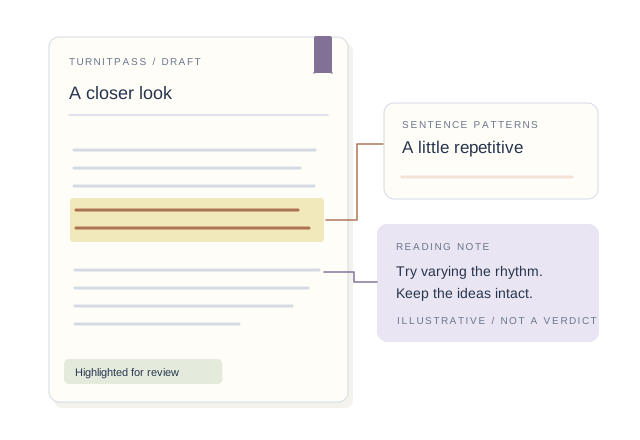
只看分数:“这个百分比较高,所以整篇都需要重写。”
结合上下文:“先检查被提示的段落,再核对写作过程与表达是否重复。”
阅读方法示例,非真实检测报告。检测信号不能单独证明作者身份或学术不端。
为下一篇作品,准备更多额度
升级获取更多检测与改写额度,支持提交前的多轮检查。先定位 AI 痕迹,再拟人改写,最后检测修改后的文本。
从草稿到可用结果
粘贴文本或导入文档,确认提取后的文字与原稿一致。
选择通用或学术模式及处理语言,再开始检测。
查看整体分数和段落提示,结合上下文判断;需要时复制或保存报告。
放进你的日常流程
查看论文、报告或作业中值得复核的段落,安排修改顺序。
结合原文检查重复句式和模板表达,准备具体的编辑意见。
把检测提示用于讨论写作过程,结合草稿记录与作者说明进行判断。
开始之前,你可能想知道
查看整体 AI 写作信号和段落提示,快速确定修改重点。随后可以使用拟人改写和润色工具,继续改善文本表达。
两者都可以。提供通用与学术模式,可按内容类型选择,并支持中英文处理。
分数反映文本中的 AI 写作特征,结合被提示的段落阅读最有帮助。语言、篇幅与文体会影响结果,分数本身不能证明作者身份。
正在打开历史记录…
指南
扫描学生文稿中的 AI 写作特征,定位高风险段落,便于课堂审阅与沟通。
步骤 1
导入文稿
步骤 2
查看高风险段落
步骤 3
继续整理表达
指南
段落级检测报告
适配课堂作业类型
与改写流程衔接
01
不止给出一个总分。系统会标出高风险段落与写作特征,便于快速进入审阅。
02
适用于课后论文、研究报告、短答与开卷考试等常见作业,按全文扫描并查看集中出现的特征。
03
发现表达生硬或特征显著的段落,可转入拟人改写,继续整理语言。
What we check
教师版不仅面向常规论文,还综合考量文本篇幅、作业形式与学生历史写作习惯,提供理性的判断维度。
扫描全文并重点检视集中标出的段落,而非仅依据单一综合百分比做结论。
结合学术规范理解文风,因严谨的学术行文自然具备更高的结构可预测性。
短文本容易产生波动信号,宜结合学生课堂日常表达与写作基准综合比对。
在评分前将检测分作为复核参考,针对特征密集的部分进行提问交流。
教师审阅流程
当报告明确呈现 AI 特征在何处集中分布时,审阅与反馈沟通将更加高效有序。
当学校 LMS 系统给出的评分过于模糊时,借助 TurnitPass 进行逐句与段落级的深度复核。
将提交草稿的句子节奏、词汇跨度与逻辑结构,与课堂随堂写作或早期作业进行对照。
以标出的段落为线索,与学生围绕写作思路与论据推导展开实质性交流。
Review path
交叉比对检测结果
将高风险段落与作业其他部分进行对比,必要时结合多种辅助工具综合研判。
重点审阅标记段落
优先关注引言、文献总结和结尾中成块出现的特征,而非零散孤立的个别短句。
开展面对面沟通
以标记段落为切入点,请学生阐述材料来源、段落构思与核心论点。
审阅建议
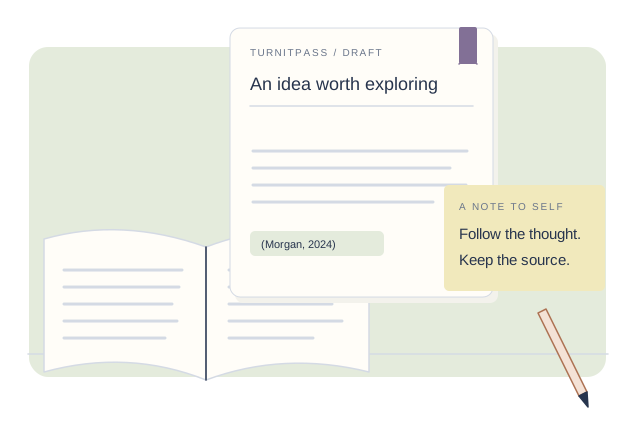
从详细报告起步,重点审阅高风险段落,进而推进针对性评语或修改指导。
将高风险段落与作业其他部分进行对比,必要时结合多种辅助工具综合研判。
优先关注引言、文献总结和结尾中成块出现的特征,而非零散孤立的个别短句。
以标记段落为切入点,请学生阐述材料来源、段落构思与核心论点。
Compare the workflow around the score, not just the existence of a detector.
TurnitPass
提供段落级反馈的课堂检测
Breakdown
句子与特征模式深度指引
Next step
契合作业审阅与沟通流程
Turnitin AI
机构端整合评分
Breakdown
展示的证据与细节有限
Next step
取决于学校统一政策
GPTZero
单一分类器判定
Breakdown
部分套餐提供逐句细节
Next step
依赖教师人工二次复核
Classroom policy
Treat the scan as a review trigger. The useful workflow keeps the score, the flagged passage, the student process, and the final decision in the same record.
Policy
Define what AI use is allowed, disclosed, or prohibited before assignments begin.
Evidence
Pair detector estimates with drafts, notes, prior writing, and a private explanation.
Decision
Start from flagged passages, then continue with comments or revision.
流程
Review record
01
Draft source
Full submission + class context
02
Detector signal
Clustered passages to review first
03
Next action
Conversation or no action
Further reading
教师版面向作业审阅场景,强调段落级反馈与课堂沟通,便于快速查看高风险位置。
不会保存班级名册或学生身份信息。检测用于当次文本分析。